
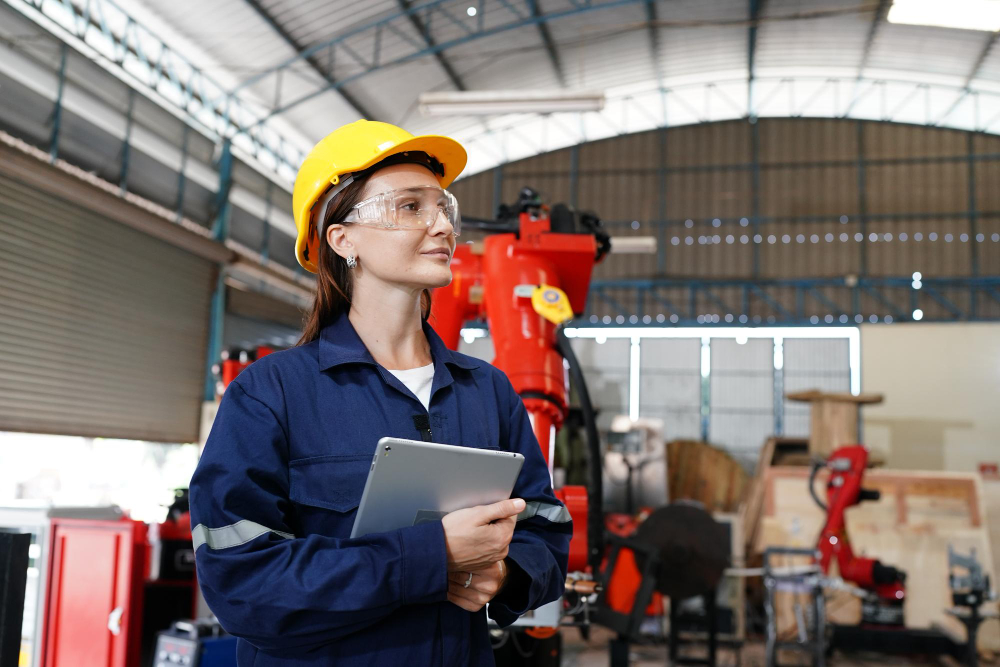
The world of manufacturing careers is vast and varied, offering numerous pathways for individuals eager to break into the field. For those looking to enter this dynamic sector but unsure about pursuing traditional educational routes, there are plenty of opportunities available. Whether you're interested in hands-on work or technical roles that can be learned on the job, manufacturing offers a range of skilled trades jobs and entry-level positions that don't require a degree. In this post, we'll delve into ten high-demand careers within the industry that welcome individuals with diverse backgrounds and skill sets.
The manufacturing sector plays a crucial role in driving economic growth and innovation. As technology advances and industries evolve, there's an increasing demand for skilled workers who can adapt and contribute effectively. Here are ten high-demand manufacturing careers that offer promising opportunities without the need for formal higher education.
A machinist is a skilled tradesperson responsible for operating machinery to fabricate parts from metal or other materials according to blueprints or specifications. This role requires precision and attention to detail, along with manual dexterity. Entry-level manufacturing positions in this field typically involve learning the basics under experienced supervision.
Welders join pieces of metal together using various techniques such as arc welding, TIG (Tungsten Inert Gas) welding, or MIG (Metal Inert Gas) welding. This career path is ideal for individuals who enjoy hands-on work and have a natural inclination towards physical labor. Entry level manufacturing welders often start by mastering basic techniques before moving on to more complex projects.
CNC (Computer Numerical Control) operators use computer-controlled machines to produce parts with high precision. This role involves interpreting engineering drawings, setting up and operating CNC machinery, and maintaining equipment for optimal performance. Training programs are often available through vocational schools or community colleges, making it a viable skilled trades job option.
Maintenance technicians ensure the smooth operation of manufacturing facilities by performing routine maintenance tasks, troubleshooting mechanical issues, and conducting repairs as needed. This role combines technical expertise with problem-solving skills to keep production lines running efficiently. Many companies offer apprenticeship programs or on-the-job training for entry level manufacturing roles.
Production line operators work alongside automated machinery to assemble products according to quality standards. They are responsible for monitoring equipment, inspecting finished goods, and ensuring compliance with safety regulations. This position is often a great starting point in the industry due to its hands-on nature and potential for advancement.
Quality control inspectors play a critical role by checking products against established criteria to ensure they meet quality standards before being shipped out. They use measurement tools, inspect visual defects, and document findings meticulously. Entry level manufacturing roles in QC can lead to more specialized positions over time as experience accumulates.
Industrial electricians install and maintain electrical systems within factories or industrial plants. This job requires a solid understanding of electrical principles and the ability to troubleshoot complex issues. Many companies provide training programs for entry level manufacturing roles, helping new hires develop essential skills through practical experience.
Tool and die makers create specialized tools used in manufacturing processes. These professionals work closely with engineers to design custom solutions that enhance productivity and efficiency on production floors. Apprenticeships are common pathways into this career, providing comprehensive training from seasoned experts.
Assembly technicians assemble components of products using hand or power tools while adhering strictly to assembly instructions and quality control standards. This role requires attention to detail, manual dexterity, and familiarity with various assembly techniques. Many entry level manufacturing positions provide on-the-job training to help new employees learn essential skills quickly.
Machine operators run automated equipment used in the production process. They are responsible for setting up machines, monitoring operations during runs, adjusting settings as necessary, and performing minor maintenance tasks when needed. Training programs often cover both theoretical knowledge and practical application of machine operation principles.
Entering the manufacturing sector can be an incredibly rewarding career move, offering stability, growth potential, and opportunities to work with cutting-edge technologies. The entry level manufacturing roles highlighted above provide a strong foundation for building a successful career in this dynamic industry. Whether you're drawn to hands-on work as a machinist or prefer the technical challenges of being a CNC operator, there's a path tailored just for you.
If you're ready to take your first steps towards a fulfilling manufacturing career, Unmudl can help connect you with training programs and apprenticeships that will set you up for success. Explore our resources today and start crafting your future in the world of skilled trades jobs.
As manufacturers reshore with smart automation, technician roles shift from assembly to systems troubleshooting. Explore skills gaps, training timelines, and hiring strategy.


Navigate reshoring finance: CHIPS Act grants, IRA tax credits, WOTC subsidies, and state programs explained. Maximize your manufacturing expansion ROI.

Build career pathways that reduce reshored-facility turnover by 40%. Learn succession planning, training ROI, and 24-month advancement strategies today.


.svg)