

.svg)
Technician schedules matter: First, second, third, and rotating shifts each have different lifestyle impacts, pay premiums, and adjustment periods.
Night shifts pay more: Third shift roles typically offer 10-15% higher hourly rates, but require serious sleep discipline.
Rotating shifts are the hardest: Your body never fully adjusts; plan for fatigue and medical checkups.
Sleep strategy is non-negotiable: Blackout curtains, consistent wake times, and 7-9 hours matter more than any other factor.
Where to start: Manufacturers across Georgia are recruiting technicians and understand shift-work trade-offs. Connect with state manufacturing councils to explore roles that match your schedule preferences.
Are you thinking about a manufacturing technician career but hesitant about manufacturing shift work georgia? Here's the honest truth: most Georgia manufacturers run continuous operations. Your schedule will likely include nights, weekends, or rotating shifts. Before you commit to retraining, understand what shifts actually demand, sleep discipline, family coordination, pay trade-offs, and proven strategies. Success comes from knowing what you're entering.
Manufacturing shift work georgia isn't glamorous, but thousands of Georgia technicians have figured out how to balance off-hours schedules with healthy lives and solid careers. This guide walks you through the most common shift patterns, what hiring managers expect, and practical steps to protect your health and relationships when working nights or rotating schedules. Understanding shift expectations upfront helps you make a smart career choice. Unmudl offers training designed for working adults on flexible schedules, so you can learn at your own pace while deciding if shift work fits your life. Start by exploring technician career pathways in Georgia, then read on to learn what shift work really looks like.
Manufacturing shift work refers to scheduled work periods outside standard day-shift hours: second shifts, third shifts, rotating schedules, and on-call positions. In Georgia's 24/7 manufacturing sector, technicians work nights, weekends, and varying schedules depending on production demand. Shift assignments determine pay rates, lifestyle impact, and career growth opportunities.
Georgia's industrial base, including automotive, chemicals, food processing, and semiconductors, operates 24/7 manufacturing jobs requiring staff around the clock. Understanding these patterns helps you plan your career move.
First shift (day shift): typically 6 a.m. to 2 p.m., 7 a.m. to 3 p.m., or 8 a.m. to 4 p.m. This is the baseline. It aligns with school schedules, daycare hours, and normal social rhythms. No premium pay, but the lifestyle trade-off is minimal.
Second shift (afternoon/evening): typically 2 p.m. to 10 p.m. or 3 p.m. to 11 p.m. You miss dinner with family but get home by late evening. Sleep is normal. Pay is usually 5-10% higher than day shift.
Third shift (night shift): typically 10 p.m. to 6 a.m. or 11 p.m. to 7 a.m. You sleep during daylight, work while most people sleep. This is the toughest schedule. Pay premiums are highest: 10-15% above day-shift wages.
Rotating shifts: some facilities rotate workers through all three shifts every 1-4 weeks. Your body never settles into a rhythm. This is the most disruptive and hardest to adjust to.
On-call shifts: some technicians work a regular shift but carry a phone or pager for emergency calls. If a machine fails at 2 a.m., you respond. This adds unpredictability and stress.
According to the BLS Occupational Outlook Handbook, many industrial maintenance roles require shift work. Most hiring managers ask upfront: "What shifts are you willing to work?" Your answer affects hiring chances and starting wage. Saying "day shift only" narrows your options. Being flexible, especially early in your career, opens doors and can mean 15-20% more income over time.
The key question: which schedule matches your life right now? Are you a morning person or a night owl? Do you have young kids, elderly parents to care for, or a partner's work schedule to coordinate with? Answer honestly. Picking the wrong shift leads to burnout and job-hopping. Picking the right one sets you up for stability.
Day shift is the most coveted schedule in manufacturing. Technicians on first shift often have the best quality of life among their peers. Your kids go to school; you pick them up. Evening activities, gym time, and normal sleep are all possible.
The tradeoff: day shift is the most competitive. Manufacturers prioritize day-shift positions for experienced technicians and supervisors. If you're new to the field, you may land on second or third shift first. That's typical. Many technicians work nights early in their career, then transition to days once they're established.
Pay on day shift is the baseline, no premium. A technician doing preventive maintenance (checking equipment regularly to catch problems before breakdowns) or running a CNC machine (a computer-controlled tool that shapes metal or plastic) on first shift earns less per hour than the same person on night shift. Over a year, that's real money lost.
Still, day-shift stability is worth something. You sleep normally. Your circadian rhythm (your body's 24-hour biological clock) stays on track. Medical appointments, school events, and family time are all possible. Dating, hobbies, and social life don't take a hit.
Many Georgia technicians view day shift as the career goal. They don't chase the night-shift premium early on; they earn it, prove themselves, and move to first shift as their experience grows. Some employers guarantee this path. In fact, Georgia's manufacturing community actively supports career progression, with many companies offering shift transitions as technicians advance.
If you're family-focused, health-conscious, or simply not a night person, day shift is worth waiting for. The lifestyle is worth the slower climb. But be realistic: entry-level roles often require scheduling flexibility.
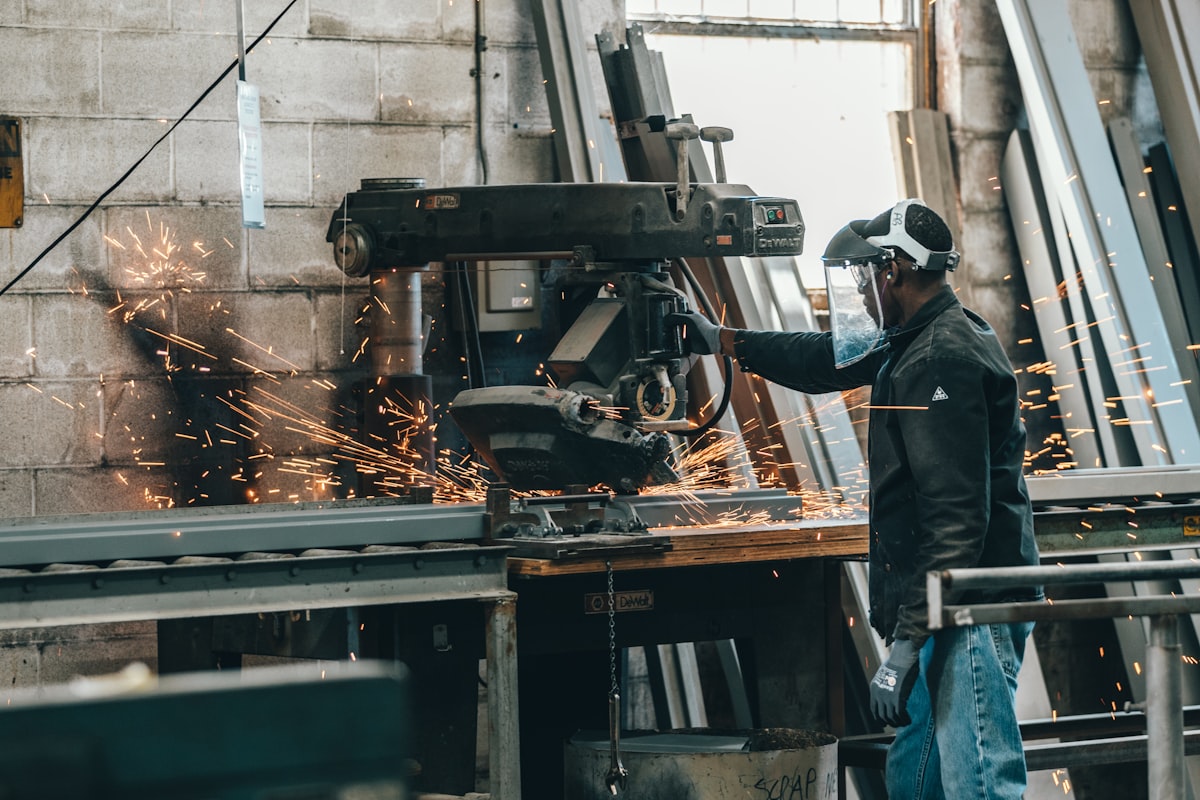
Night shift manufacturing jobs pay more. Most Georgia manufacturers offer 10-15% more per hour for third-shift work. On a technician's salary (let's say $40,000-$55,000 for a day-shift role), that's an extra $4,000-$8,000 per year. Over a decade, it's significant.
But the cost isn't just financial. Third shift (typically 10 p.m. to 6 a.m. or 11 p.m. to 7 a.m.) flips your entire life. You're awake while everyone else sleeps. You sleep while the world runs. Your circadian rhythm (your body's internal clock that regulates sleep, metabolism, and mood) fights you hard.
The health impact is real. Night-shift workers report higher rates of insomnia, digestive issues, weight gain, and cardiovascular stress. Long-term, the risks add up. Your doctor should know you work nights. Regular checkups become non-negotiable.
On the personal side: your partner's social life suffers (you're sleeping when they want to go out). Your kids see you less (you sleep after school, work during their evening). Weekend shifts mean you miss family events. Dating and friendships require deliberate effort. A night-shift technician has to consciously protect their relationships.
That said, many technicians thrive on third shift. Some are night owls by nature. Some are sole earners and can't say no to the pay bump. Some work night shift for 2-3 years, save aggressively, then move to day shift with a nest egg. That's a legitimate strategy.
The question: is an extra $4,000-$8,000 per year worth your sleep, health, and family time? Only you can answer. Be honest with yourself.
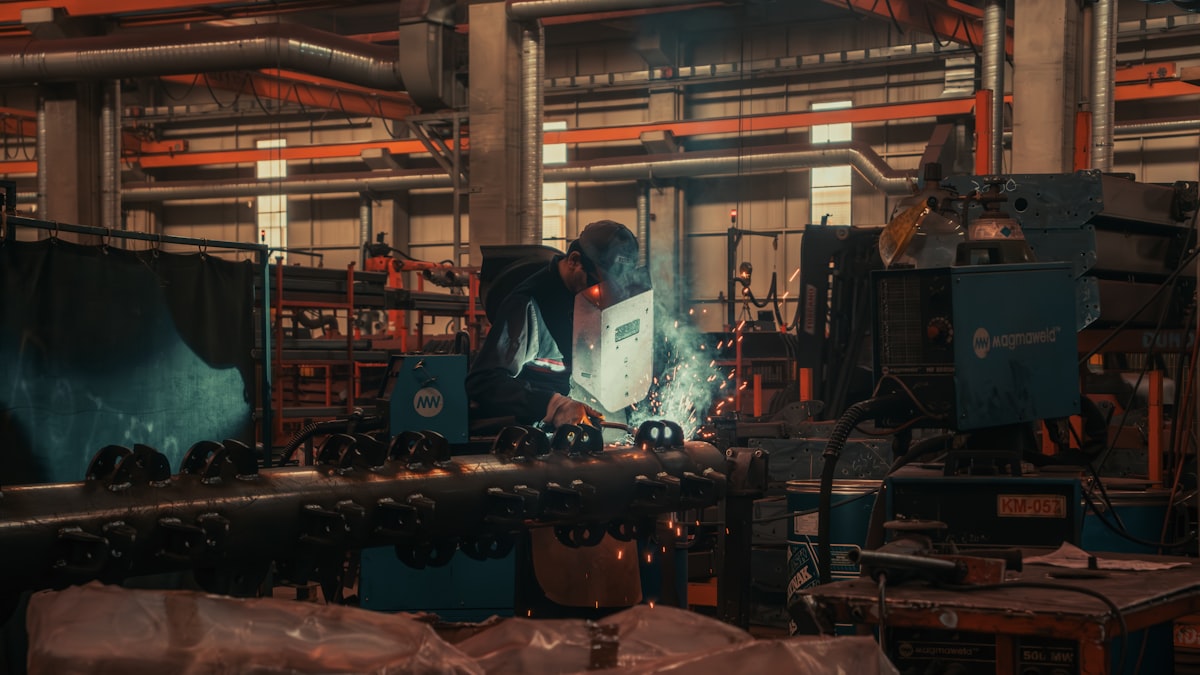
Some larger facilities, chemical plants, automotive suppliers, semiconductor fabs, use rotating shifts. Workers cycle through first, second, and third shift every 1-3 weeks. On paper, it's fair (everyone gets nights sometimes). In practice, it's brutal.
Your body has a circadian rhythm set by sunlight, meal times, and sleep schedules. When you rotate shifts every two weeks, that rhythm never settles. You're constantly jet-lagged. Sleep quality drops. Mood, digestion, and focus suffer.
Rotating shifts are common in Georgia's automotive and chemical sectors. Technicians on rotating schedules report higher stress, more frequent illness (your immune system weakens on disrupted sleep), and more social isolation (your friends are all on day shift).
Some workers adjust better than others. Younger workers (20s-30s) adapt faster. People with flexible family situations handle it better. But even the most adaptable person on a rotating shift will experience at least monthly low periods, a week where sleep is poor, mood dips, and mistakes creep into your work.
If you have a choice, avoid rotating shifts early in your career. Gain experience on a fixed schedule (even nights), then accept rotating only if the pay and growth opportunity justify it.
If you're going to work nights or rotating shifts, sleep becomes your most important tool. Without it, you burn out fast. People who sleep well have better health, longer careers, and stronger relationships. Here are strategies that actually work.
For day-shift workers: stick to one wake time, even on weekends. Your body loves predictability. If you wake at 5:30 a.m. on work days, wake at 5:30 a.m. on Saturday too. It sounds rigid, but it stabilizes your sleep debt and mood.
For second-shift workers: the advantage is normal nighttime sleep. Your main risk is irregular mornings on off-days. Try to keep morning routine stable too. If you can sleep 10 p.m. to 6 a.m. every night, do it.
For night-shift workers: this is where intentional strategy matters most.
These aren't magic. You'll still be tired on night shift. But these steps cut the edge and help you recover faster on your days off. Resources on circadian health and sleep science are available from the Technician Economy Institute, which researches workforce health and retention in manufacturing.
This is the hardest part of manufacturing shift work: it's not just your life, it's your family's life.
Young kids and childcare: if your kids are under school age and your partner works day shift, night shift becomes a childcare solution. You sleep while they're at daycare, work while they sleep, and reverse on weekends. It works financially but is logistically exhausting. Couples report less time together and more stress.
School-age kids: if you work nights and your partner works days, you might rarely see each other awake. Dinner conversations don't happen. Bedtime routines with your kids fall to one parent. Over months, the strain builds.
Partner's schedule: if both partners work, shift compatibility matters. Day shift plus night shift can work (opposite schedules, childcare covered). But day plus second shift, or day plus rotating, creates gaps. You need a real calendar and honest conversations.
Social life: night-shift technicians often feel isolated. Their friends are on day schedules. Weekend plans require their work schedule to align. A night-shift worker on a two-day weekend with friends on Friday night has only Saturday for social life. It adds up to less connection.
Relationships: couples where one partner works steady nights and the other works days report lower satisfaction (less time together, less intimacy). But many couples make it work deliberately. They schedule intentional time, a weekly date night even if it's a Sunday breakfast, weekly check-ins about how work is affecting them.
Dating and single life: if you're single and considering night shift for the pay, think about dating. You're sleeping when people typically socialize. Online dating depends on being awake during other people's evenings. A night-shift schedule makes meeting people harder.
The honest truth: shift work affects relationships. The question isn't whether, it's whether you can manage it consciously. Some people do. Some choose day-shift stability and accept lower income. Neither choice is wrong.
Manufacturing work schedule expectations come up early when you apply for a technician role at a Georgia manufacturer. Here's what to expect:
"What shifts are you willing to work?"
This is not a test. They're trying to match you to the right opening. If you say "only days," they'll consider you for day-shift positions. If you say "I'm flexible," they'll be more interested (flexibility is valuable).
Be honest. If you have family constraints, say so. "I need to be home by 9 p.m. for school pickups" is legitimate. Many manufacturers have day-shift or second-shift roles that fit that. Saying yes to night shift when you can't do it sets up both of you for failure.
If you're flexible early in your career, say so. It opens doors. Many technicians start on second or night shift, prove themselves, then move to day shift as senior roles open. It's a legitimate path. The pay bump now funds your transition later.
The shift conversation also signals your thinking. If you say "I want nights because the pay is higher," you've shown you're thinking strategically. If you say "I don't know, whatever's available," you're signaling lack of clarity. A short, honest answer ("I'm flexible but prefer not to rotate shifts") is professional.
Start building these skills now. Courses like Unmudl's Industrial Safety and CNC machining teach fundamentals you'll need on any shift. Many Georgia technicians complete training while working, then transition into a new role.
Manufacturing shift work is real, hard, and necessary for building a stable technician career. Be honest about which schedule fits your life now. Then explore frontline leadership and advanced technician training to position yourself for day-shift roles later. Connect with Manufacturing America member employers across Georgia who understand shift-work challenges. Your future self will thank you for making this decision consciously.

CFOs and operations leaders reshoring U.S. production must assess workforce readiness before capital commits. Manufacturing America's due-diligence framework surfaces technician gaps, training capacity, and retention risk.


Model technician availability in your site selection. Use a facility startup calculator to assess staffing timeline and expansion ROI.

How manufacturing employer networks drive technician hires, cut hiring costs, and build competitive advantage. Explore the models reshaping American manufacturing regions in 2026.


.svg)